
Outsourcing our service documentation and parts delivery project to AnswersAnywhere and the subsequent updating and optimisation has been invaluable.
National Director of Operations Services


In field service, performance is measured where it matters most — on site.
First-time fix rates. Response times. Engineer utilisation. Contract margin. Customer satisfaction.
For WASH, a US and Canadian provider of commercial laundry services, delivering consistent service across thousands of locations meant relying on a large, mobile engineering workforce operating under constant time pressure.
And like many growing service organisations, the real challenge wasn’t engineer capability.
It was information.
Outsourcing our service documentation and parts delivery project to AnswersAnywhere and the subsequent updating and optimisation has been invaluable.
Over time, WASH had accumulated thousands of pages of technical documentation — manuals, parts lists, diagrams and service notes.
The information existed. But it was fragmented.
Engineers accessed shared drives, PDFs, email updates and legacy documents. Versions overlapped. Updates were difficult to track. Searching was time-consuming. Confidence in accuracy wasn’t always guaranteed.
The consequences were subtle but constant:
None of these issues were dramatic in isolation.
But across hundreds of service calls per week, small inefficiencies compounded into measurable operational drag.
Supervisors became reactive. Margins tightened. Service consistency fluctuated.
WASH recognised that improving performance wasn’t about working harder – it was about removing friction.
WASH partnered with AnswersAnywhere to fundamentally change how technical knowledge was delivered to engineers.
The objective was not simply to digitise documents.
It was to create a structured, reliable, field-ready knowledge environment that engineers could trust – and use quickly.
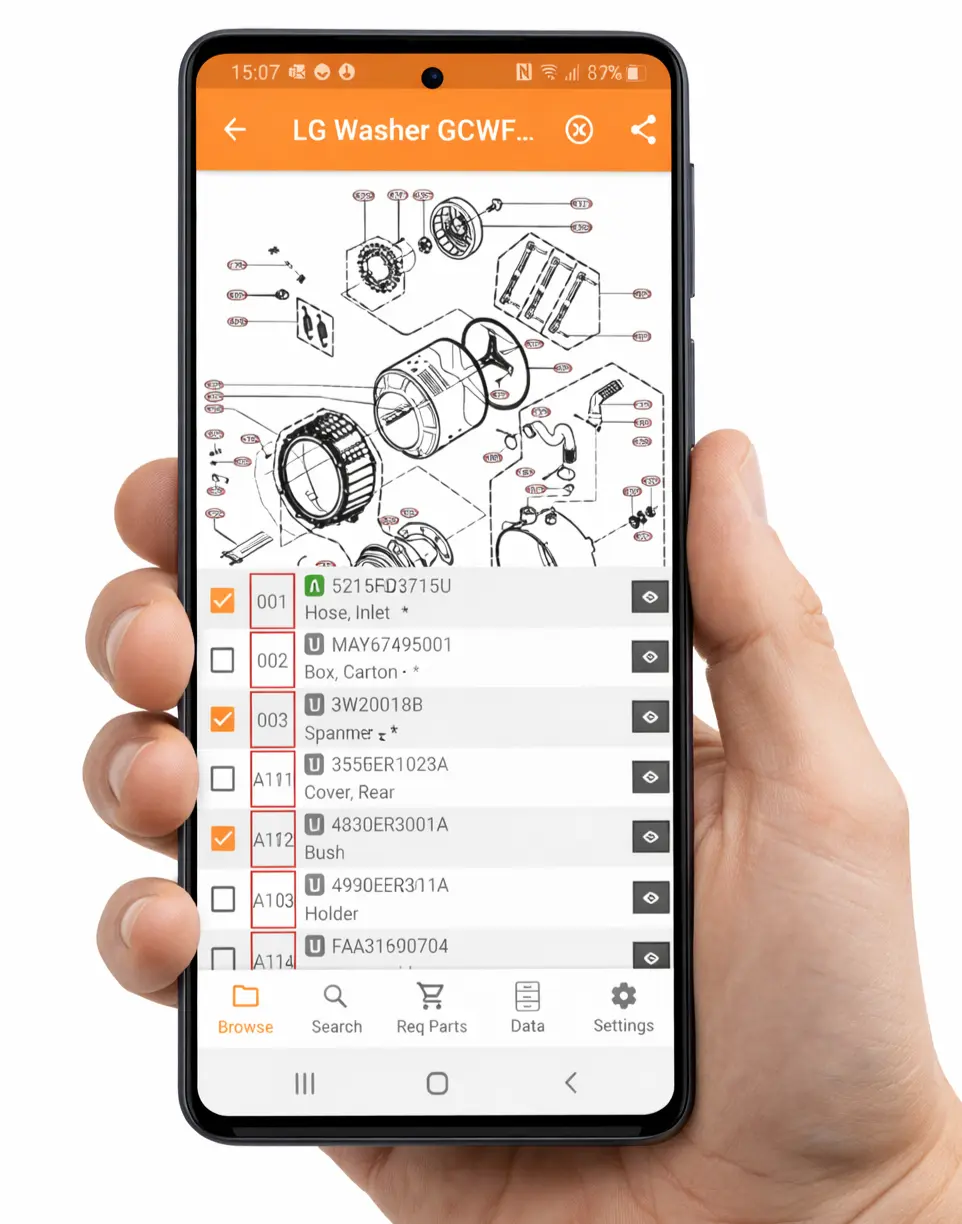
Over 11,000 pages of legacy documentation were reviewed, transformed and organised into a single, searchable platform designed around real engineering workflows.
The focus was clear:
AnswersAnywhere became the single source of truth.
The difference was practical and measurable. Engineers spent less time searching and more time fixing. Escalations reduced because answers were available at the point of need. Parts accuracy improved, cutting unnecessary returns and repeat visits.
New technicians gained independence faster, accelerating productivity across the workforce. Supervisors shifted from reactive troubleshooting to proactive contract management. Service consistency improved. Jobs were completed more efficiently. Customers experienced smoother, more confident visits. This wasn’t a technology upgrade.
It was an operational improvement.
The feedback from new hires, as well as their managers, has been tremendous. Some of our top users are new technicians. By finding the information they need fast and having that reassurance that the servicing documentation and parts information is WASH-approved, new technicians can complete more fixes on their own the first time.
The partnership has continued to evolve.
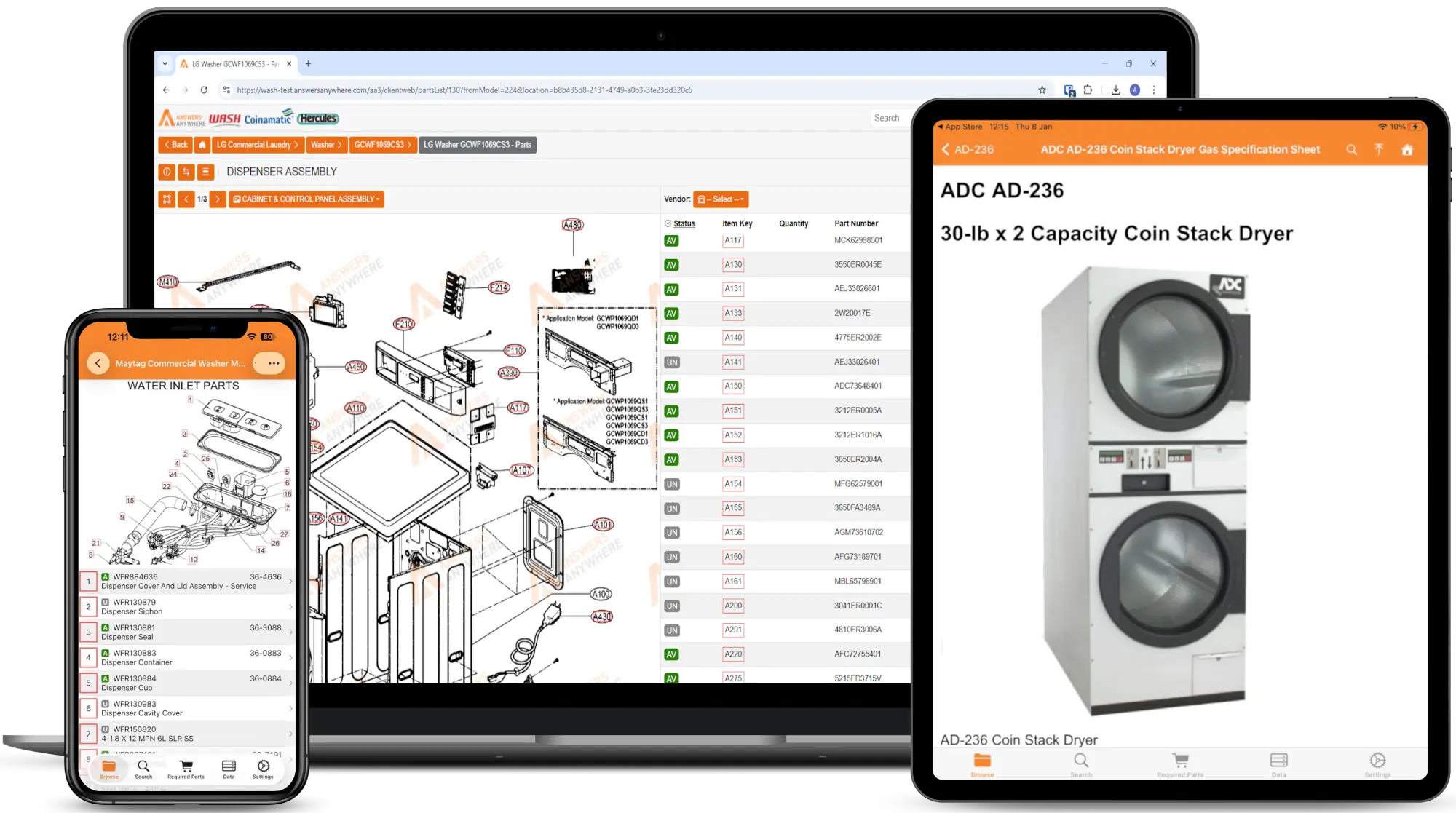
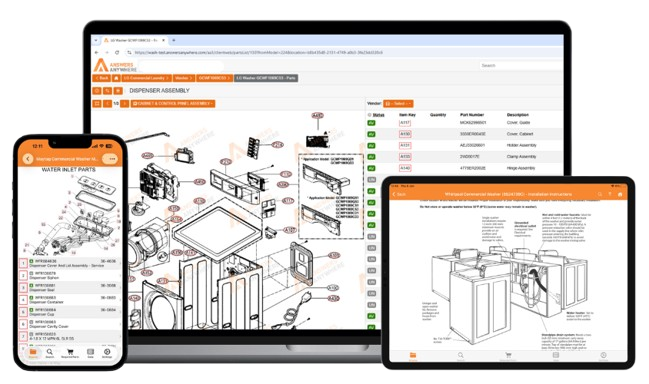
Today, over 23,000 pages of WASH technical data have been transformed and delivered through the latest AnswersAnywhere web interface.
The new web UI provides:
The platform has moved beyond documentstorage.
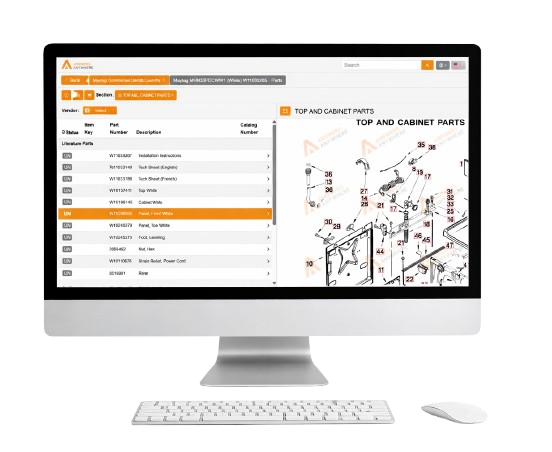
It is now a structured, scalable equipment data service layer supporting engineers wherever they work.
In 2026, this evolution continues with the development of a self-service CMS and a new mobile application — giving WASH greater control over content management while further enhancing speed, usability and engineer experience in the field.
Field service performance is rarely limited by effort or expertise.
More often, it is limited by how easily engineers can access trusted technical information in the moment it is needed.
By restructuring and modernising its technical knowledge with AnswersAnywhere, WASH reduced operational friction, improved service consistency and strengthened contract performance.
The result is not just better information.
It is stronger first-time fix, reduced escalation, improved engineer autonomy and more predictable service outcomes.
In field service, small efficiencies scale quickly.
When information works properly, the entire operation moves faster.
Contact our friendly team now